





Tritech Gemini and MicronNav USBL used in NOAA Shipwreck Expedition
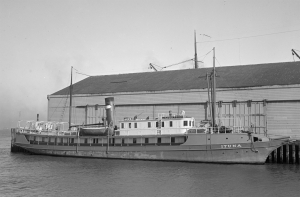
Tritech sensors help to uncover the 'Ituna' wreck, lost since gales hit San Francisco in 1920.
On March 13, 1920, a gale struck to the north of the San Francisco Lightship station. Heading from San Francisco to Reedsport, Oregon, the 34-year-old Ituna was caught in the storm. As the sea raged, Ituna’s seams split open and the forward hold flooded, plunging the ship bow first to the bottom of the ocean. It took only ten minutes for the ship to sink. Twelve of the fourteen crew members escaped, struggling for hours to keep their lifeboat afloat on the harrowing trip to the San Francisco Lightship. Two crew members, trapped in their bunks, went down with the ship.
Teledyne SeaBotix and the National Oceanic and Atmospheric Administration (NOAA) successfully used the Gemini 720i and MicronNav USBL combined with Tritech's data acquisition and logging software, Seanet Pro, to identify and locate this historic wreck.
.PNG)
Gemini 720i sonar image of the 'Ituna' shipwreck, San Francisco Bay.
.jpg)
The passenger-cargo steamship 'Ituna', image courtesy of the San Francisco Maritime National Historical Park, via the NOAA.
Cyril Poissonnet, Strategic Product Development Manager, Teledyne SeaBotix commented on the sensors' performance:
"The collection of shipwreck archaeological documentation, using the Teledyne SeaBotix vLBV300, was facilitated by the use of Tritech sensor suite and Seanet Pro. The Gemini 720i was used to approach the wreck in low visibility, the MicronNav USBL and Micron Echosounder helped to identify which section of the shipwreck was being explored and provided support for the captain to maintain the position of the ship above the ROV. SeanetPro displayed and recorded all the data synchronously including the ROV video and telemetry."
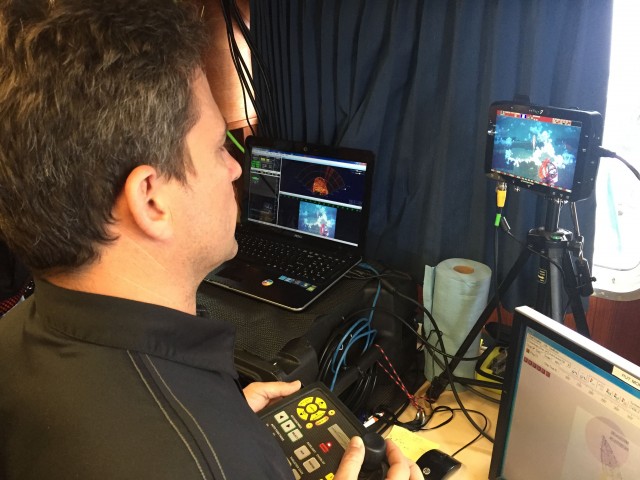
Cyril Poissonnet monitoring the operation of the SeaBotix vLBV300
For more information on the expedition visit these links:
ROV World editorial on the expedition, click here (see page 36).
NOAA profile page on the 'Ituna', click here.
Thank you to SeaBotix for the images/ log data.
← Back to News